
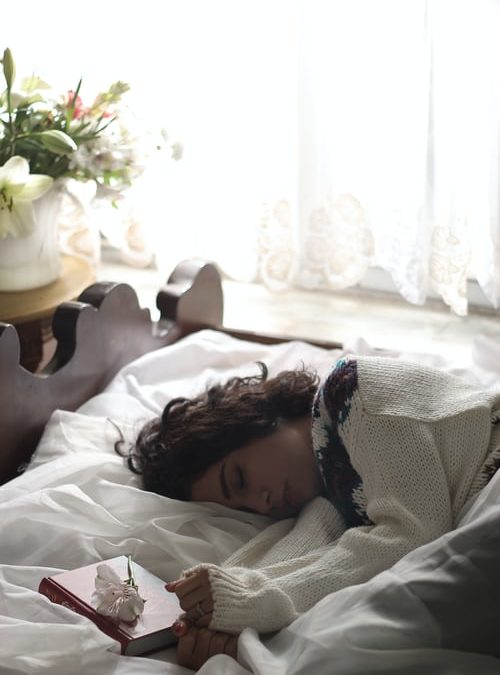
Not getting enough sleep can literally be a nightmare!
With the increased demands modern life has on us all, many people find it hard to go to sleep & some find it hard to maintain a restful nights sleep. Our ability to sleep well relies on the ebb & flow of serum cortisol & melatonin, these are the hormones that tightly regulate our sleep/wake cycles. Sleep itself involves stages including rapid eye movement or REM & non-REM sleep. The final stage of non-REM sleep (also known as slow wave sleep or SWS) plays an important role in cerebral (brain) restoration & also recovery!

Common to all traditional cultures has been the appreciation that us humans are intimately connected to the cycles of the Sun, Moon & the Universe as a whole, and that living in tune with these cycles is fundamental to our health. Native American tribes for example are known to base their daily and even yearly routines around the Sun’s travels. Traditionally, the Australian Aboriginals knew the importance of sleep too, a South Australian tribe known as ‘Anta’kirinj’ would make individual shelters called wiltja, these protected them from wet weather as they would enclose them in a semi-circle, this also provided them with a wind break (‘jo) to ensure a good sleep. The Chinese understanding of opposites ‘ying & yang’ underpins all they do, which can be seen in the opposing yet harmonious relationship of the Sun & Moon, night & day. Even the ancient Mayan’s knew the importance of rest. And according to Ayurveda, our 24 hour clock has very specific inter-connected cycles, and from around 6pm the earthly (Kapha) evening qualities of slowness & heaviness begin to take over, this period of time (6pm-10pm) is naturally winding us down from our daily activities, as the Sun or ‘universal fire’ goes down, so too our digestive fire, and all our internal organs, our organs channels, our nervous system & our biological systems to naturally retire for the evening.
The circadian rhythm, is our natural cycle of physical, mental, hormonal & behaviour changes that our bodies go through in a 24 hour cycle. Circadian rhythms are mostly affected by light & darkness, and are controlled by a small area in the middle of our brain, the pineal gland is known as the ‘master clock’. Night time darkness is specifically absorbed through our eyes, this drives our melatonin (a pineal hormone involved in sleep onset). In people with normal circadian rhythm, their melatonin is secreted from the pineal gland at the start of night-time & it continues to increase two to three hours before bed, peaking at midnight & then decreasing at waking, whereas for those who struggle to go to sleep at night-time, cortisol (the hormone linked to alertness & waking) declines to its lowest levels upon rising, reaching is highest levels around 11pm. This is why some of us just can’t sleep well!

Lack of sleep impacts negatively on our lives, research shows us that adults who get less than 7 hours of sleep have increased concentration difficulties & even mood disturbances! Our modern lifestyle factors (such as working late & using devices at night) are also having adverse effects on our sleep & our daytime performance. Did you know that almost a 1/4 of ALL adults say their usual routine does not let them get enough sleep? Long-term health effects of lack of sleep pre-dispose us to an increased risk of cardio-vascular disease, high blood pressure, weight gain, high cholesterol & type-2 diabetes! Short term consequences of lack of sleep can cause us stress, somatic (or mood) problems & even psycho-social issues!!
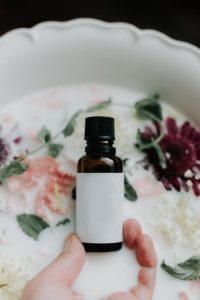
But, we can improve our sleep! A combination of well researched nutrients & herbs can facilitate deeply restful & restorative sleep (PERFECT!). A nightly dose of magnesium can address disrupted sleep patterns & insomnia, it also assists us with muscle relaxation & can even relieve night leg-cramps, which can be very dis-ruptful indeed! Other nutrients such as lutein & zeaxanthin may also help reduce the effects of excessing screen time by reducing the time it takes to fall asleep & helping us to maintain a restful nights sleep (HALLA LULLA) Specific herbs can reduce our levels of cortisol & help counteract stress-induced over activity of our hypothalamus-pituitary-adrenals (HPA) that disrupts our melatonin production…The power of natural medicine!!!

So, what else can you do to get a better night sleep, plenty…here are my top 10 tips for better sleep:
- Have a regular sleep pattern, go to bed at the same time & get up at the same time most of the time, this will help to establish a good routine.
- As it gets dark, start to wind the whole house down, close the blinds, turn off the lights & turn off devices! Just use dim light such as a candle or a lamp until you retire to bed.
- Relax the body about an hour or so before going to bed, this is a great time to journal, reflect of the day, jot down any thoughts or idea’s floating around in the mind, its also a great time to do some breath work, or stretching/yoga type body work.
- Avoid going to bed on an empty or full stomach, as I said above-our internal organs are also winding down so digestion is not at its peak.
- Ensure you get plenty of sunshine during the day, good doses of vitamin D regulates your circadian rhythm by telling your body when to increase and decrease your melatonin levels, so, the more daylight exposure you can get, the better your body will produce melatonin when it’s time to go to sleep.
- For some, a calming cup of Chamomile Tea as you retire to bed is comforting & relaxing, and there are good reasons why…Chamomile has some unique properties that may benefit the quality of your sleep, it contains apigenin, an anti-oxidant that binds to certain receptors in your brain that may help promote sleepiness & reduce insomnia, or the chronic in-ability to sleep!!
- Make sure the bedroom is comfortable, decorate your room for ultimate comfort, make sure the temperature of your room suits you and the climate, sleep in comfortable bed-clothing or if you prefer-sleep in the nude!
- Don’t lie and watch the clock, this can become a very distracting habit! Try closing your eyes and focus instead deeply relaxing the body, relaxing the breath.
- Play relaxation music, or enjoy the hum of white noise as this will drown out any outside noises.
- AVOID sleeping pills, except in exceptional circumstances, they mask the cause of not sleeping well and don’t actually fix the cause.
So, try my top 10 tips, and see if this helps, you might just find yourself sleeping like a baby 🙂 however if you are still having trouble sleeping, if you have persistent problems with mood, if you have excessive daytime sleepiness, restlessness in bed, severe snoring or wakening unrefreshed despite what should be adequate length sleep, make sure that you go and see your health practitioner, and please remember “do not take any herbal or nutritional supplements with out consulting a qualified health professional, as natural medicines are powerful.

in health & well-being
Sharon
References available on request
Recent Comments